

Québec Project
R2G2 MODEL — ORIGIN, DEVELOPMENT & RESULTS
Structural Corridor Mapped
Active Project Areas
INRS
Independent Scientific Validation
2026
Model Independently Verified
The Birthplace of R2G2
The Reactivated Rift and Graben Geostructure (R2G2) model was conceived and refined through QIMC's earliest exploration work in the Témiscamingue region of Québec
— one of Canada’s most geologically complex rift-associated corridors. This framework, developed collaboratively with Prof. Marc Richer-Lafleche of the Institut national de la recherche scientifique (INRS, Québec), became the scientific foundation upon which all subsequent QIMC exploration programmes are built.
Click Image to Expand
What the R2G2 Model Identified
in Québec
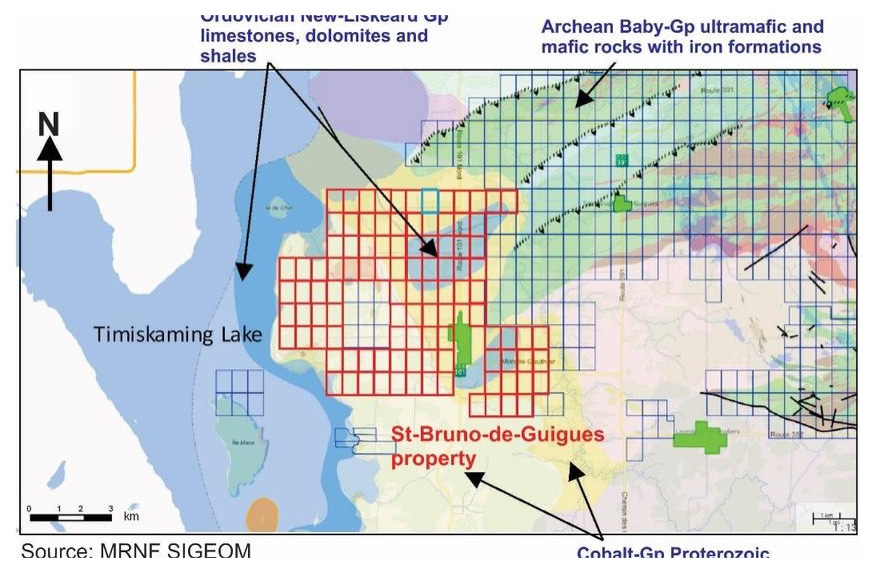
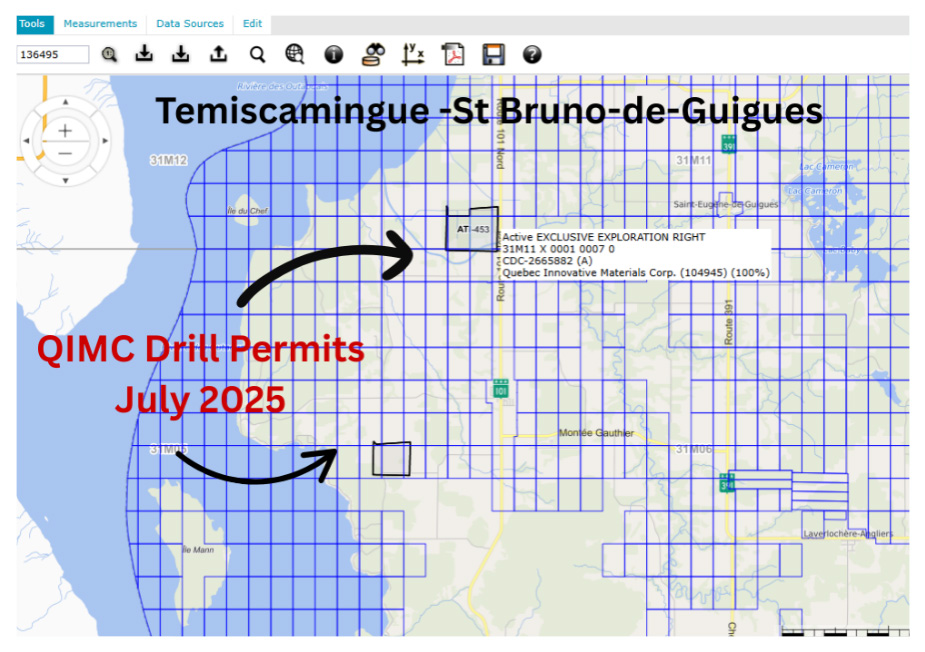
St-Bruno-de-Guigues (Témiscamingue):

The flagship Québec property sits within an ancient reactivated rift system underlain by iron-rich mafic and ultramafic rock packages — the same lithological setting globally associated with natural hydrogen generation through water-rock interaction (serpentinization). The R2G2 model identified structurally controlled migration pathways and multiple trap geometries consistent with hydrogen accumulation potential along the graben margins.
Matane Project (Appalachian Region):
QIMC’s Matane property targets hydrogen within the Québec Appalachians, where the R2G2 model identifies thrust fault corridors reactivated over multiple tectonic cycles as preferential conduits for deep crustal hydrogen migration. The elevated structural complexity of the Appalachian domain provides a spectrum of trap types including structural, stratigraphic, and combined geometries.
Click Image to Expand
Click Image to Expand
Model Development
& Scientific Collaboration
- The R2G2 model was co-developed with Prof. Richer-Lafleche (INRS Québec) through systematic field mapping, structural analysis, and geochemical surveys across Témiscamingue and Appalachian terranes
-
The model integrates four key geological criteria:
evidence of early rifting with mafic/basaltic magmatism, polyphase tectonic reactivation, highly fractured rock volumes generating fracture permeability, and structural traps capable of retaining buoyant hydrogen - Multiple hydrogen trap geometries along the structural corridor, including structural, stratigraphic, and combined trap types at different scales
Results & Status
-
1
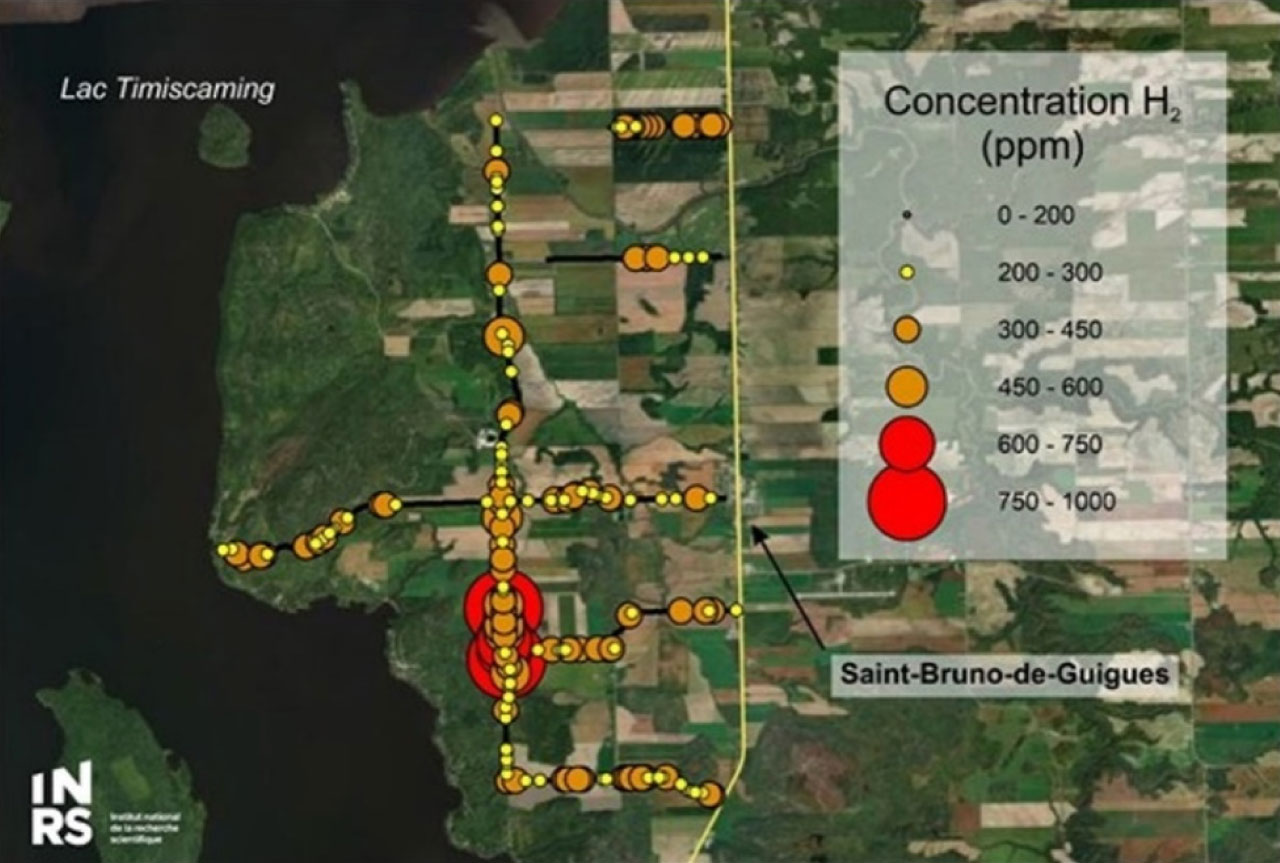
Surface geochemistry and soil-gas hydrogen surveys
conducted across both Québec properties confirm anomalous hydrogen signatures consistent with active subsurface systems
-
2
Structural and geophysical interpretation
across Témiscamingue reinforces the presence of rift-margin fault systems with the permeability architecture predicted by the R2G2 model
-
3
INRS's independent scientific validation of the R2G2 model
— triggered by results in Nova Scotia — retroactively confirms the geological logic underlying QIMC's Québec targeting strategy
-
4
Both Québec properties remain active
in QIMC's multi-province exploration portfolio, with planned work programmes informed by the geological learnings from DDH-26-01 in Nova Scotia
From a geological model to field-proven results — the R2G2 framework continues to demonstrate its power as a repeatable, science-first exploration tool.”
John Karagiannidis — President & CEO, Québec Innovative Materials Corp.